

Cross-Border Trade
Systems
Simplifying international trade through digital customs systems, cross-border payment platforms and modern trade facilitation technologies.
What We Do For you
We provide structured insight into cross-border trade systems, clarifying customs, coordination, and digitalisation challenges, enabling organisations to understand where solutions create value before engaging in complex regional trade environments.
The Strategic Importance Of Trade Digitalisation
Paraguay depends heavily on efficient cross-border trade systems because it is landlocked and relies on neighbouring countries’ ports and logistics corridors.This makes customs procedures, data exchange and corridor coordination especially important for the competitiveness of exports and imports.As cargo volumes rise along the Paraguay–Paraná waterway, delays caused by fragmented procedures and manual coordination become more costly.
Digital trade systems can reduce friction by improving visibility, streamlining controls and connecting public and private actors more effectively.Cross-border trade digitalisation is therefore becoming a core enabler of Mercosur integration, export reliability and lower logistics costs.
Trade Flows Across Paraguay And Mercosur
A Corridor Built On River Logistics
Paraguay channels most of its external trade through the Paraguay–Paraná Hidrovía, using inland river transport to reach Atlantic export terminals in neighbouring countries.
This logistics model underpins the movement of soy, fuels, minerals and other bulk commodities across Mercosur and beyond.
A System Dependent On Coordination
Because multiple authorities, operators and border points are involved, trade performance depends heavily on data exchange and procedural alignment between countries.
When this coordination is weak, cargo dwell times rise, compliance becomes slower and transport chains become less predictable.
Forces Driving Corridor Digital Transformation
Traffic Growth
Cargo volumes on the Hidrovía are expected to increase strongly over the coming years, putting pressure on existing customs, port and corridor systems.
Regulatory Modernisation
Mercosur countries are gradually updating rules of origin, customs cooperation and paperless trade frameworks, creating a stronger basis for digitalisation.
Integration Pressure
Regional trade ambitions and wider agreements such as EU–Mercosur increase the need for more transparent and harmonised cross-border procedures.
Funding Pathways for Structured Opportunities
Instituto del Atlántico enables access to experienced Dutch and EU specialists who support funding pathways for feasibility, market-entry, and innovation initiatives, strengthening the ability of well-structured opportunities to progress with appropriate financial support.

Why Cross-Border Trade Systems Must Modernise
Current Structural Constraints
Paper-based documentation, fragmented IT systems and limited real-time coordination still slow trade flows across ports, border posts and river logistics nodes.
These inefficiencies increase costs for exporters, reduce predictability and make it harder to absorb future growth in cargo volumes.
The Opportunity For Integrated Platforms
Single windows, customs automation and shared data platforms can create smoother information flows between customs, terminals, logistics firms and traders.
When properly implemented, these systems reduce duplication, support risk-based controls and improve the overall reliability of trade operations.
Growing Pressure On Trade Facilitation Systems
Paraguay’s trade model is highly sensitive to time, coordination and corridor efficiency because large export volumes depend on river logistics and cross-border processing.As the Hidrovía expands in importance, operational bottlenecks at ports, customs points and multimodal interfaces become more visible and more costly.
At the same time, paperless trade and digital customs are becoming standard expectations in internationally competitive trading environments.Mercosur will need stronger interoperability and data governance if it wants to support more efficient and more resilient trade systems.This creates a strong opening for digital trade infrastructure that links customs modernisation with logistics performance.
Technologies Transforming Cross-Border Trade
Single Windows And Customs Platforms
Digital customs environments allow declarations, approvals and supporting documents to be processed electronically, reducing manual handling and duplication.
Tracking And Corridor
Visibility
IoT, vessel tracking and digital scheduling tools provide better visibility across river transport, terminal operations and cargo movements.
AI And Risk-Based
Controls
Advanced analytics can improve customs inspection targeting, anomaly detection and corridor planning while reducing unnecessary friction for compliant trade.

Digital trade systems can turn a fragmented corridor into a more predictable, lower-cost and more competitive export platform.
Dutch Expertise In Digital Trade And Port Systems
The Netherlands has developed highly advanced systems for port community platforms, customs digitalisation and multimodal trade coordination.Dutch experience is particularly relevant because it combines logistics infrastructure, digital governance and practical tools for public-private coordination.The Port of Rotterdam and related Dutch platforms have shown how trade digitalisation can reduce delays, improve transparency and increase operational capacity.
Dutch institutions also understand how to design interoperable systems that work across multiple actors with different roles, incentives and data needs.These capabilities are directly relevant to Paraguay and Mercosur, where corridor performance depends on the integration of many separate stakeholders.
Digital Technologies For Cross-Border Trade Systems
Data Exchange And Trade Processing
Customs platforms, port community systems and electronic certification tools improve documentation flows and reduce the time required for approvals and controls.
These systems are most effective when they use common standards and create clear incentives for both public and private adoption.
Operational Intelligence And Monitoring
Trade digitalisation also depends on better visibility of vessel movements, cargo status, inspections and terminal capacity across the wider corridor.
This supports more accurate planning, fewer delays and more targeted use of scarce infrastructure and inspection resources.
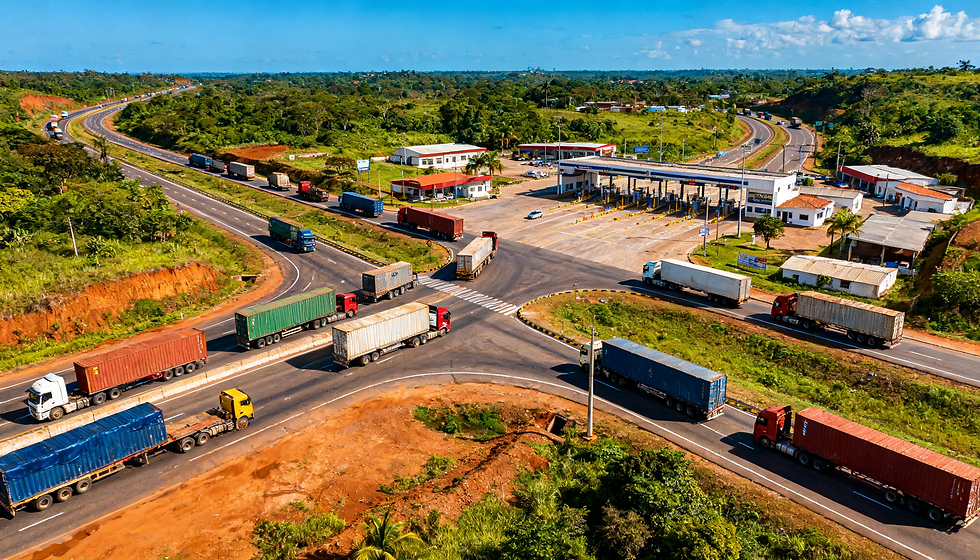
Key Stakeholders In Trade Digitalisation
Public Trade Authorities
Customs agencies, trade ministries and Mercosur institutions shape the legal and operational framework for paperless trade and digital cooperation.
Corridor And Logistics Operators
Port operators, barge companies, exporters, logistics firms and customs brokers are critical to implementation and adoption across the supply chain.
Tech And Finance Partners
Digital solution providers, data firms and development financiers can help structure pilots, scale systems and reduce implementation risk.
Better digital coordination can improve corridor efficiency without relying only on expensive physical expansion.
Developing Cross-Border Trade Systems
Pilot and Feasibility Phase
The first step is to identify priority bottlenecks where digital intervention can deliver measurable improvements in time, cost or procedural reliability.
Examples include customs-port data integration, digital barge scheduling or risk-based inspection tools at strategic nodes along the corridor.
Scaling Across The Mercosur Network
Once pilot systems prove effective, they can be expanded through wider interoperability standards, corridor dashboards and stronger cross-border coordination mechanisms.
This allows digital trade solutions to grow from isolated projects into part of a broader Mercosur trade facilitation architecture.
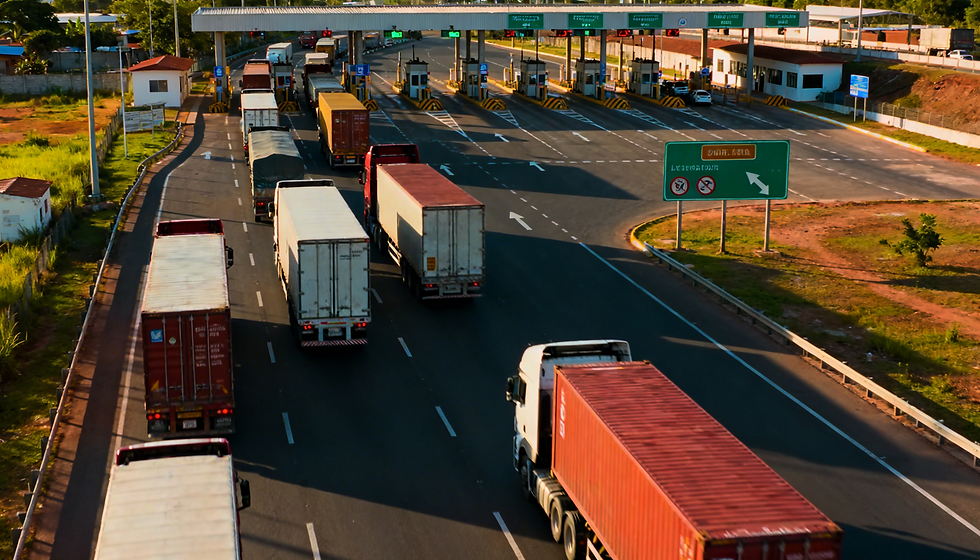
Future Outlook For Trade Digitalisation
Cross-border trade digitalisation is likely to become increasingly central to Mercosur competitiveness as cargo volumes rise and integration pressures deepen.For Paraguay, digital trade systems are especially important because corridor efficiency directly affects the economics of a landlocked export model.Digital customs and logistics tools can support both lower costs and stronger compliance, helping public and private actors work more effectively together.
Over time, these systems could reduce procedural fragmentation across the Hidrovía and create a more data-driven model of regional trade management.If implemented well, trade digitalisation can become one of the most practical routes to stronger Mercosur integration and export performance.
Funding Opportunities For Trade Digitalisation
Dutch Funding Programs
Dutch instruments such as DHI, SIB and PIB can support feasibility work, trade missions, pilot implementation and Dutch consortia focused on corridor digitalisation.
International Financing
Horizon Europe, Global Gateway, the EIB, the IDB and World Bank trade facilitation programmes can support digital customs and logistics modernisation.