

Port Infrastructure
Systems
Transforming inland and regional port operations through automation, digital cargo management and integrated logistics platforms.
OPPORTUNITY SNAPSHOT - 02
Region:
Paraguay and Mercosur trade hubs
Focus Sectors:
Port logistics, cargo automation & digital logistics platforms
Opportunity Type:
Smart port technology & logistics digitalization
Target Partners:
Port automation technology companies, port logistics platform providers, port infrastructure engineering firms, maritime cargo management system developers.
What We Do For you
We analyse port infrastructure systems and digitalisation pathways, identifying where efficiency, coordination, and automation improvements create opportunity, enabling organisations to assess relevance before entering complex logistics environments.
The Strategic Importance Of River Port Modernisation
River ports along the Paraguay–Paraná waterway are essential to the movement of agricultural commodities, fuels, minerals and other bulk cargoes across Mercosur. For Paraguay, these ports are far more than local terminals. They are critical gateways connecting inland production zones to regional and international export markets.
As cargo volumes continue to rise, many river terminals face increasing pressure on storage, handling, scheduling and vessel coordination.At the same time, climate variability and fluctuating river depths make port operations more difficult to plan and manage efficiently.Smart port systems offer a practical way to improve visibility, coordination and throughput without relying only on large-scale physical expansion.
The River Port Infrastructure In Mercosur
Ports At The Heart Of Trade Flows
The Paraguay–Paraná waterway links inland cargo production to export corridors running through Argentina and Uruguay, making river ports vital nodes within Mercosur trade networks.
Large volumes of soybeans, corn, iron ore, fuels and other commodities depend on these ports for efficient transfer between river transport and wider logistics systems.
Paraguay’s Dependence On Terminal Efficiency
A substantial share of Paraguay’s exports and imports move through the Hidrovía, placing river terminals at the centre of the country’s external trade performance.
When port operations become inefficient, delays and congestion quickly affect vessel utilisation, export reliability and the competitiveness of major commodity flows.
Forces Driving Port Digital Infrastructure Transformation
Export Growth
Paraguay’s export sectors, especially soybeans and grains, continue to expand. This places growing pressure on terminals to handle more cargo with better scheduling and fewer delays.
Climate Disruption
Low water levels and changing river conditions reduce vessel loading capacity and force more complex planning. Ports need better data and faster decision-making to respond effectively.
Regional Integration
Mercosur trade corridors and new transport initiatives are increasing demand for more efficient port operations, stronger interoperability and improved coordination between river and land logistics.
Funding Pathways for Structured Opportunities
Instituto del Atlántico enables access to experienced Dutch and EU specialists who support funding pathways for feasibility, market-entry, and innovation initiatives, strengthening the ability of well-structured opportunities to progress with appropriate financial support.

Why Port Operations Must Modernise
Operational Constraints Today
Many river ports still depend on fragmented communication, manual scheduling and limited real-time coordination between terminal operators, shippers, customs and vessel traffic.
This can lead to waiting times, poor berth allocation, inefficient cargo flows and reduced overall productivity, especially during peak export periods.
The Opportunity For Smart Port Systems
Digital port platforms can connect operational actors through shared data, allowing more efficient cargo planning, electronic documentation and better vessel turnaround management.
When combined with monitoring systems and analytics, these tools can improve terminal efficiency, reduce administrative friction and strengthen resilience under changing river conditions.
Growing Pressure On River Port Performance
Paraguay’s ambition to strengthen its role as a regional logistics hub depends heavily on the efficiency of its river ports and terminal infrastructure.Yet many terminals remain specialised bulk facilities with limited automation, constrained storage and uneven levels of digital maturity.As throughput rises, port operators need better tools to manage berth allocation, cargo handling and coordination with barge convoys and road transport.
Digital systems can help address these pressures by improving operational visibility and reducing inefficiencies across the wider logistics chain.This makes port digitalisation one of the clearest infrastructure-linked technology opportunities in the Mercosur basin.
Technologies Transforming River Ports
Port Community Systems
Port Community Systems connect authorities, terminal operators, customs, shipping companies and logistics providers through a shared digital environment for data exchange and coordinated planning.
Sensors And Monitoring
IoT devices, equipment sensors and vessel tracking tools provide real-time information on cargo movements, terminal performance and environmental conditions affecting operations.
Analytics And Automation
Advanced analytics improve berth planning, dispatching and maintenance scheduling, while selective automation can reduce errors and increase productivity in higher-volume terminals.
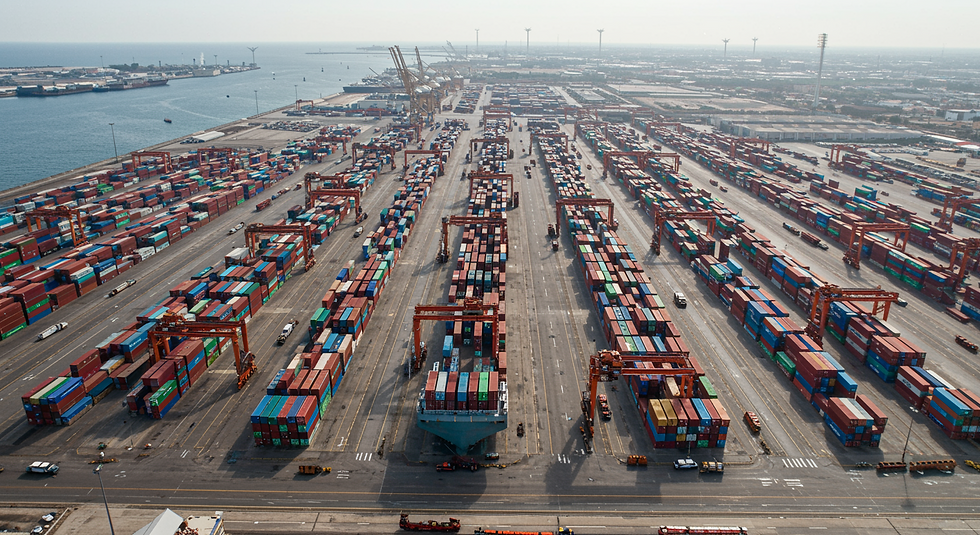
Port infrastructure systems can turn constrained river terminals into more efficient, reliable and data-driven gateways for Mercosur trade.
Dutch Expertise In Port Infrastructure Digitalisation
The Netherlands is internationally recognised for advanced port management, digital logistics integration and the development of highly efficient terminal ecosystems.Dutch experience in Port Community Systems, smart terminal operations and data-based planning is particularly relevant for Paraguay’s river port environment.Dutch firms also combine maritime engineering, digital infrastructure and logistics innovation in ways that suit complex transport systems with multiple stakeholders.
This makes Dutch technology providers and port specialists strong potential partners for phased smart port development in Mercosur.
Their expertise can support both operational improvements at individual terminals and broader coordination across the river logistics network.
Digital Infrastructure Technologies For Port Corridors
Operational Data And Connectivity
Sensors on quays, equipment and vessels allow ports to collect real-time data on cargo handling, traffic movements and asset performance.
Reliable connectivity and digital platforms then make this information usable for planning, reporting and day-to-day terminal coordination.
Intelligence And Decision Systems
Analytics tools can improve berth allocation, forecast congestion and support more efficient dispatching across cargo flows and vessel movements.
Digital twins and integrated dashboards also help port managers evaluate scenarios before making operational or investment decisions.

Key Stakeholders In Port Infrastructure Development
Public Institutions
Transport ministries, port authorities, customs agencies and digital government bodies shape the regulatory and institutional framework for smart port development.
Industry Operators
Terminal operators, barge companies, logistics providers, grain traders and cargo owners are central to implementation and day-to-day system use.
International Financiers
Development banks and international funding institutions can support feasibility studies, technical assistance and larger digital infrastructure programmes.
Better digital infrastructure coordination can make river ports more reliable, more productive and more competitive within the wider Mercosur export system.
Developing Port Infrastructure Systems
Pilot and Feasibility Phase
The first step is to identify priority ports or terminal clusters where congestion, poor coordination or administrative inefficiencies create a strong case for digital solutions.
Targeted feasibility studies can then define the most suitable systems, such as a Port Community System, a terminal platform or a river information interface.
Scaling Across The Port Network
Once pilot systems demonstrate measurable gains in turnaround times, coordination and data quality, solutions can be extended to additional terminals and logistics partners.
Over time this can support wider interoperability across Paraguayan ports and stronger integration with the broader Mercosur logistics environment.

Future Outlook For Port Infrastructure Systems
Port digitalisation is likely to become increasingly important as cargo volumes rise and regional logistics corridors become more integrated and competitive.Climate stress and fluctuating river levels will further increase the value of better operational visibility and faster decision-making at terminal level.
Digital systems can help existing ports increase effective capacity without depending entirely on major physical expansion.They can also strengthen customs coordination, cargo reliability and interoperability across public and private actors in the logistics chain.These trends create a strong long-term opportunity for technology providers, infrastructure specialists and logistics innovators with relevant expertise.
Funding Opportunities For Port Infrastructure Development
Dutch Funding Programs
Dutch instruments such as DHI, SIB and PIB can support feasibility studies, market entry, partner development and pilot projects in smart port and logistics digitalisation.
International Financing
Institutions such as the EIB, IDB, World Bank and EU initiatives can support digital infrastructure, port efficiency and sustainable connectivity across Mercosur.